
Every year, the same scene plays out on British beaches. A dog is racing across a shining sandbank, the owner is a hundred metres behind, and the water has already begun to curl around the far edge of the sand. UK tides are among the biggest in the world, and in estuaries they can travel faster than you can walk. None of that has to ruin a good walk. It just means the tide gets checked before the lead comes out of the boot.
Choosing a beach by looks alone is how people end up jogging. A wide, flat, empty stretch at 10am can be chest-deep by 1pm, and the exit you arrived by may be the first thing to flood. Before you pick a spot, look up the tide times for that specific stretch of coast, not the nearest big town, and note two numbers: the time of high water and the height of it.
Then ask a simple question. If the tide comes in while we are out there, where do we go? If you cannot answer that quickly, walk somewhere else, or shorten the route until you can.
A five-minute read saves a wasted drive. Most published tables are aimed at sailors, so a couple of details matter.
Predictions are calculated for a standard port such as Dover, Liverpool or Newlyn. Your beach is probably a secondary port, which means you apply a small time difference. That difference can be half an hour or more, which is plenty of time for the sea to reach the place you planned to stand. Use a table or app that lists your actual beach, or add the stated correction yourself.
Spring tides, which follow a day or two after a full or new moon, bring the highest and lowest water. Neap tides are gentler. On top of that, low pressure and a strong onshore wind can push water higher than the prediction, while high pressure can hold it back. On a windy spring tide, treat the published high-water time as the middle of the danger window, not the start of it.
Check whether the times you are reading are in GMT or British Summer Time. Getting that wrong in April or October is an hour of your margin gone.
You do not need to be a sailor to understand how fast the sea rises. Over roughly six hours from low water to high water, the depth gained is not spread evenly. In simple terms, a twelfth of the total rise comes in the first hour, two twelfths in the second, three in the third, three in the fourth, two in the fifth and one in the sixth.
The useful part is the middle: about half the water arrives in the two hours either side of the midpoint. That is why a flat beach can look generous at 11am and be gone by 1pm. It also explains why the last stretch back to the slipway always feels longer than it did on the way out.
Estuaries are the real risk. Rivers cut channels across the sand that fill quietly and early, sometimes behind you rather than in front. Areas like Morecambe Bay, the Dee and the Solway have long histories of fast-moving water and soft, deceptive ground. Do not cross mud or wet sand that gives underfoot, even if it looks shallow. If a route is only safe with a guide, use one.
Some beaches have a headland that blocks the way back at high water, so the only exit is the cliff path you came down. Others have a river mouth at one end that becomes impassable on a rising tide. Gently shelving beaches are the sneakiest of all: the water moves a long way sideways with only a small change in depth, so the distance back grows quickly.
A reliable recall is the best safety kit you own, but it has limits. On a rising tide, a dog chasing the water's edge will keep going as the edge keeps moving, and it may not hear you over wind and surf. Use a long line on unfamiliar beaches, and keep the lead on anywhere near cliffs, gullies, mud or a channel that is filling.
Watch for the practical stuff too. Hot sand and shingle can burn paws in summer; UK sea temperatures are cold all year, so a long swim can chill a slim-coated dog quickly. Older dogs and short-legged breeds tire faster on soft sand. If your dog drinks a lot of salt water, or seems unsteady, sick or dull afterwards, contact your vet rather than waiting to see how it goes.
Do not try to outrun a tide along a beach. Move uphill or inland immediately, even if it means a longer, muddier route, and head for the nearest high ground rather than the car. If you are cut off on a sandbank, stay put, keep the dog close and call 999 for the coastguard. People who wade into a filling channel are the ones who get into trouble.
Back at the car, park above the high-water line, not on the sand or a slipway that floods. Then do the simple thing that prevents almost every incident: check the next day's tide before you go to bed, and plan the walk around it rather than around your lunch. The sea keeps excellent time, and it will not wait while you finish a loop.
Photo: Atlantic Ambience / Pexels
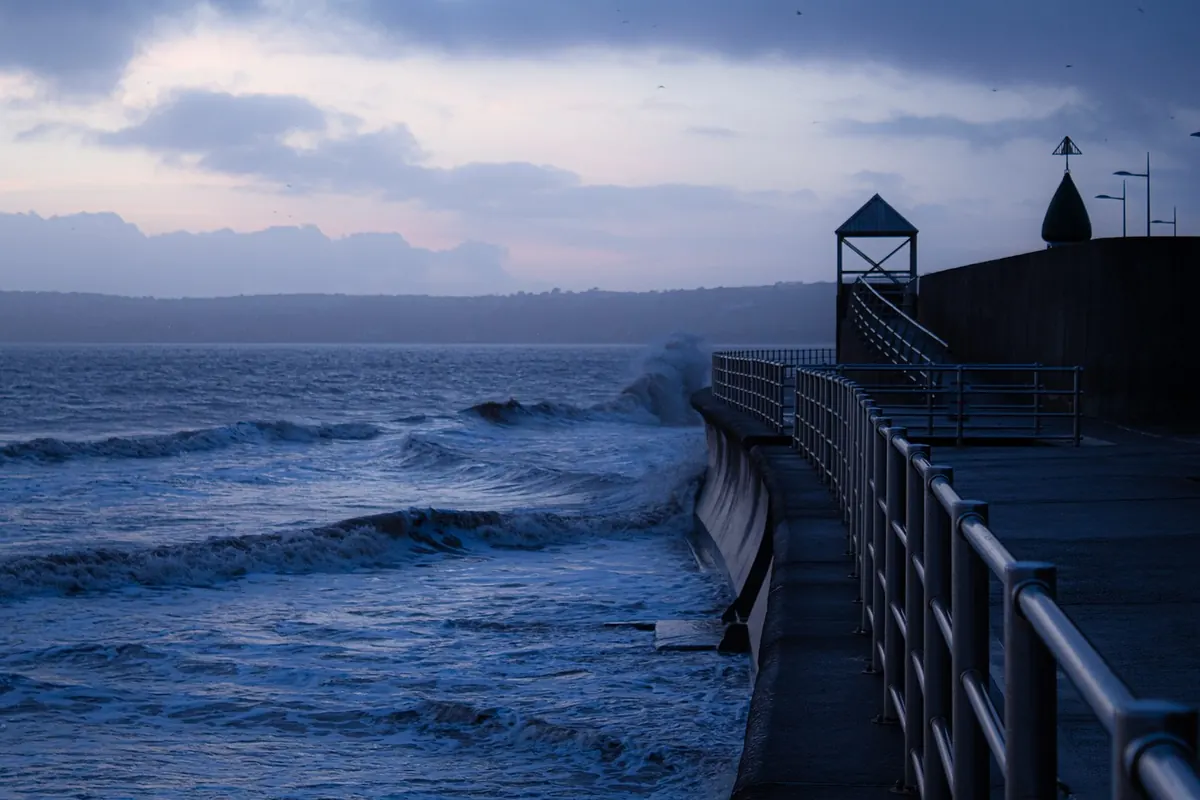
Combine tide tables, storm surge forecasts and official weather warnings to judge winter coastal flood risk — plus a...
Chart datum is the baseline behind every UK tide height. Here's how to read predictions properly, add them to...
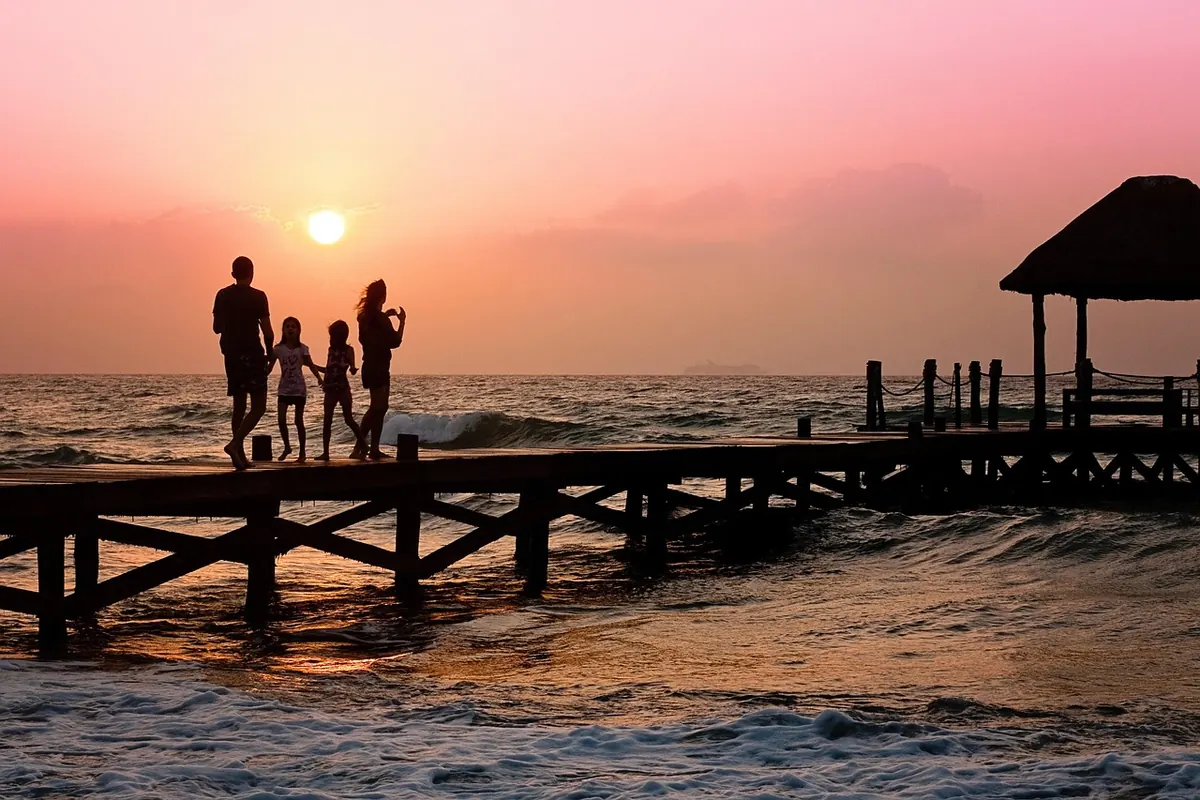
Rockpooling with children works best around low water. Here's how to read a tide table, pick a safe window and know...

Your daily guide to tides and coastal conditions.
