
Most coastal trips begin with a hopeful look at the weather forecast. A better first move is the tide table, with the forecast layered on top. Tide times decide the shape of the day: whether there is a beach under the pier at all, whether that cave is reachable, whether the harbour wall is a viewpoint or a wall of spray. Wind, swell and warnings then decide whether the day is comfortable, marginal or one to postpone. Here is a ten-point routine you can run the night before, and again in the car park.
Tide times are the skeleton of any coastal plan. Find the table for the exact place you are going — not the nearest big town, and not a different estuary twenty miles along the coast. Note four things: the time of high water, the time of low water, the height of each in metres, and whether the day sits on springs or neaps.
Spring tides, around new and full moon, give the biggest range. There is more sand at low water, but also more water returning, and on flat ground it returns quickly. Neap tides are gentler, though a neap high water can still reach spots a first-time visitor assumes are permanently dry.
Then ask a second question: where does the flood arrive from? On a headland beach it may creep around from behind and cut off the exit. In an estuary it can fill from two directions at once. Tide times tell you when; the shape of the coast tells you where.
Wind and swell behave differently, and the combination matters more than either on its own.
An offshore wind feels pleasant on the promenade but pushes paddleboards, inflatables and swimmers out to sea. Onshore wind brings chop, spray and a stronger pull at the water's edge, and it can make launching or landing a kayak genuinely difficult.
Swell is the longer, tidier energy travelling in from distant weather. A metre and a half of long-period swell on an otherwise calm, sunny afternoon will still throw water over a sea wall and surge up slipways. Rocky coasts catch people out this way: the sea looks settled for ten minutes, then a set arrives.
Wind against tide stacks waves up steeply and the water becomes confused. Wind with tide flattens the surface but moves everything along faster. Both change your exit plan.
The forecast icon on your phone is a summary. Before a coastal trip, look at the detail:
A yellow warning is not a ban. It is a signal that the margin for error has narrowed, and that plans should stay flexible.
Find it as soon as you arrive: the last high-water mark of seaweed, shells and dark, compacted sand. Everything seaward of that line is ground the sea expects back. On flat sand, water can travel faster than you walk, and channels often fill behind you before they fill in front.
Murky brown water after rain hides drop-offs, rocks and debris, and usually means runoff from the land. Foam lines and unexplained patches of calm can sit over a current.
If lifeguards are moving people or flying a red flag, follow it without debate. Surfers, anglers and dog walkers read the same beach every day, and their behaviour is useful information. If you are ever caught in a rip current, swim parallel to the shore rather than against it, or float and signal for help.
Coastal weather turns faster than inland weather, and a warm morning says little about a blustery afternoon. A small rucksack covers most days: a waterproof shell, a warm mid-layer, footwear with grip for wet rock and seaweed, water, sun cream, a hat, and a charged phone in a dry pouch. Add a torch if you will be anywhere near dusk.
Sea temperatures around the UK stay low even in high summer, so cold water shock is a real risk on a short swim, not just a winter dip. If you have a heart condition or another medical concern, speak to your GP before taking up cold-water swimming.
The routine takes about two minutes once you know where to look. Tide times first, warnings second, wind and swell third, then the plan: where you will be, when you will turn back, and who knows about it.
Check it again on arrival. Tide tables are predictions, and the sea does not read them. A shift in wind direction, a heavier swell than forecast or a fresh warning is reason enough to move the day inland. The best coastal days are not the ones where nothing was checked — they are the ones where the checking happened early enough that it never mattered.
Photo: dexmac / Pixabay
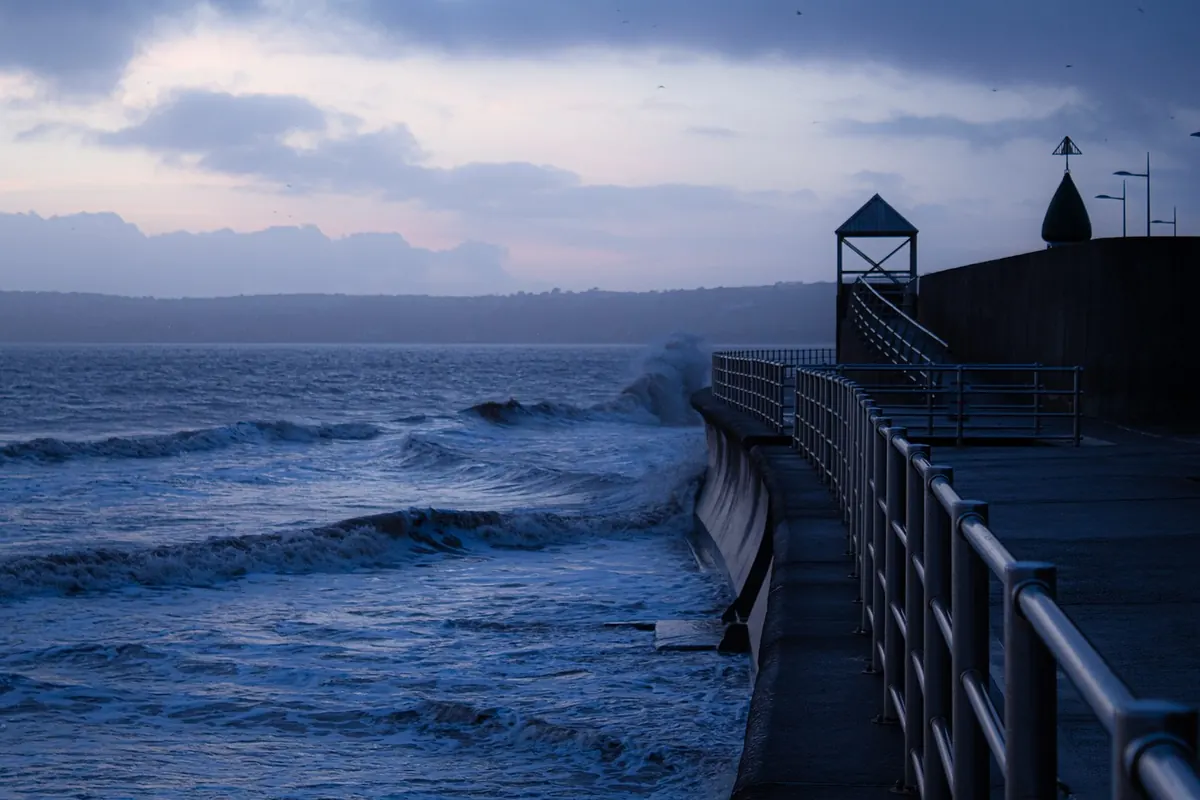
Combine tide tables, storm surge forecasts and official weather warnings to judge winter coastal flood risk — plus a...
Chart datum is the baseline behind every UK tide height. Here's how to read predictions properly, add them to...

A practical checklist for dog owners on UK coasts and estuaries, covering tide tables, the rule of twelfths, cut-off...


Your daily guide to tides and coastal conditions.
