
A good swell forecast can send you to the coast for nothing. You arrive, the swell is exactly what was promised, and the waves are closing out or barely breaking at all. The missing piece is usually the tide. Tide height, and the direction the water is moving, change how much water sits over a sandbank, reef or rivermouth — and that decides whether the same swell produces clean walls or a washing machine. Reading tide charts alongside surf reports is the single most useful habit a UK surfer can build.
Most of us check the swell first and treat the tide as an afterthought. Flip that order. The tide tells you when a wave will exist at your chosen break; the surf report tells you what it will be like when it does.
UK tides are semi-diurnal, so there are two highs and two lows roughly every 24 hours and 50 minutes, with about six hours between each extreme. The water is always moving. At many breaks the usable window is only two or three hours wide, and it slides later by around 50 minutes each day — which is why the spot that was perfect at 9am on Saturday can be full and slow at 9am on Sunday. Tidal range also varies enormously around the coastline, from around a metre in places up to well over ten in the Bristol Channel, so "high tide" means something very different depending on where you paddle out.
Whether you use a harbour authority table, an almanac or a tide times site, you are looking at the same few numbers. Get familiar with each of them.
A high of 3.2 metres is not the same as a high of 5.1 metres. Many breaks only work within a band of heights — perhaps between 1.5 and 3 metres on the flood — so the label "high tide" tells you very little on its own. Note the actual heights and times, then work out where your break sits within them.
Spring tides fall around the new and full moon, when the range is at its biggest. Neaps arrive near the first and third quarter, when it is smallest. A spot that works beautifully at mid-tide on a spring can be almost unrecognisable on a neap, even at the "same" state of tide.
Tide times shift along the coast. High water can arrive tens of minutes earlier or later a few miles up the road, and an estuary can bend the timing further still. Use the station closest to your break rather than the nearest big town, and if the chart is based on a standard port, apply the local correction.
Different types of break want different water. A rough guide:
You do not need to memorise this. Note what your local did on each tide for a few weeks and you will have something more useful than any general rule.
Once you know the tide window, the swell report narrows it further. Swell height tells you whether there is enough energy; period tells you how much push is behind it. Long-period groundswell, roughly 12 seconds and up, breaks further out and tends to work across more of the tide. Short, choppy windswell needs more water beneath it and rarely does much on a low.
Swell direction decides which stretch of coast is exposed. A few degrees one way or the other can mean the difference between a headland sheltering your beach and a clean line sweeping into it. Wind matters just as much: a light offshore grooms the face and holds the lip up, while an onshore adds chop and tips waves over.
Wind blowing against a running tide stands waves up and makes them steep and hollow; wind running with the tide flattens them out. On big spring tides the current itself shifts your take-off spot, so watch where the regulars are sitting.
An example. You fancy a west-facing beach in Cornwall. The tide chart shows low water at 07:40 and high at 13:55 on a spring. The swell is 1.5 metres at 12 seconds from the west-north-west, and the wind is a light southerly, swinging south-westerly force 4 by early afternoon. On springs, that beach works best on the two hours either side of mid-tide on the push, roughly 10:00 to 12:30. The wind is cross-offshore in the morning and the swell has period. Be in the water by 09:30, out by 12:30, and you have dodged the afternoon chop.
Keep a note on your phone: spot, date, tide height and time, swell, wind, and how it actually turned out. After a month you will stop guessing. Check the tide before you check anything else, and treat the surf report as the second half of the story rather than the whole of it.
One safety note: spring tides mean stronger currents, particularly around headlands, rivermouths and harbour walls, and conditions can change quickly when the tide pushes against an onshore wind. Ask at a local surf shop or speak to lifeguards about a break you have not surfed before, and if in doubt, watch it through a full tide cycle before paddling out.
Photo: Pok Rie / Pexels
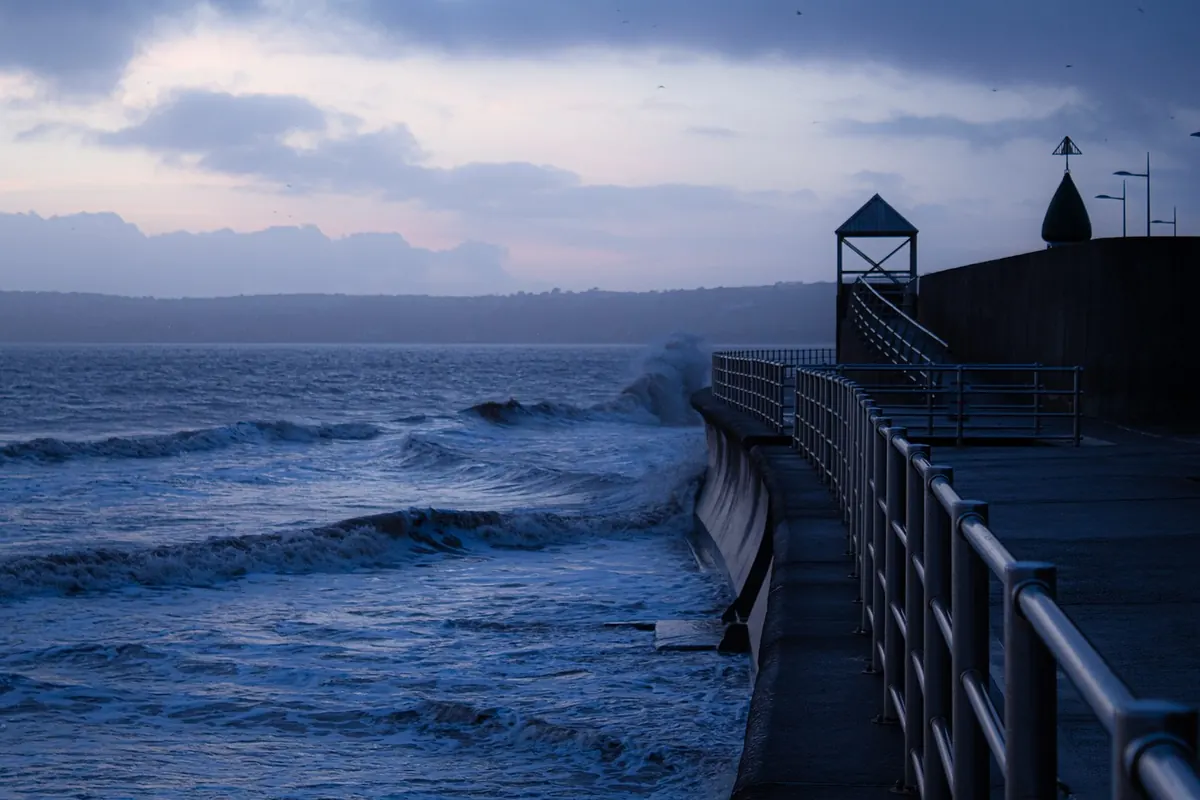
Combine tide tables, storm surge forecasts and official weather warnings to judge winter coastal flood risk — plus a...
Chart datum is the baseline behind every UK tide height. Here's how to read predictions properly, add them to...

A practical checklist for dog owners on UK coasts and estuaries, covering tide tables, the rule of twelfths, cut-off...


Your daily guide to tides and coastal conditions.
